
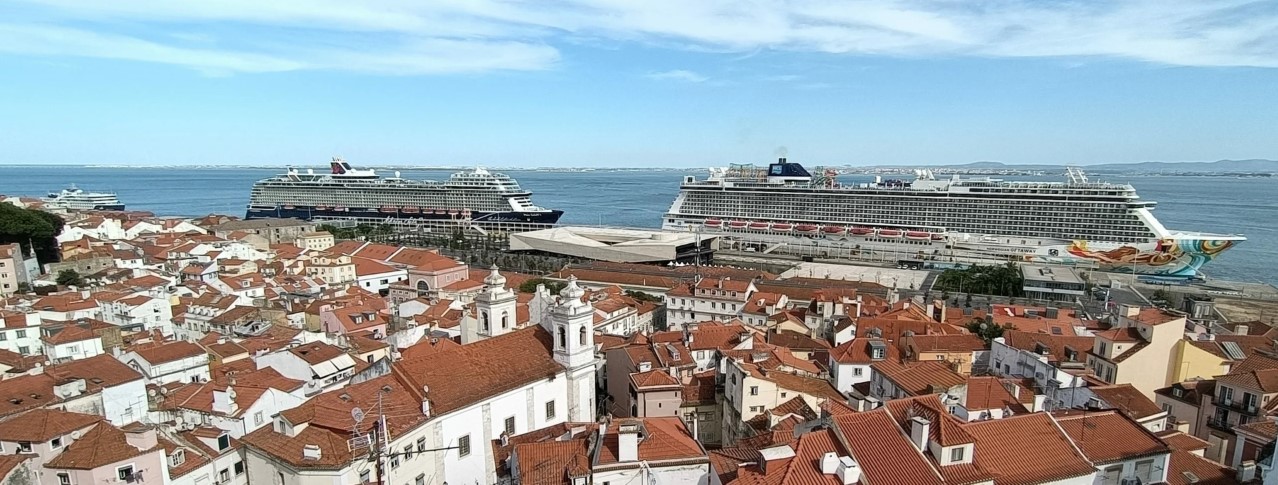
Lisbon is a city of tiled buildings, steep cobbled streets, grand waterfront squares and viewpoints overlooking a sea of terracotta rooftops. Portugal’s capital combines centuries of history with lively neighbourhoods, striking architecture and plenty of places to explore on foot.
But deciding what to do in Lisbon isn’t always straightforward. Some of its most famous attractions are spread across different neighbourhoods, the hills can make short walks surprisingly tiring, and popular landmarks may require advance tickets or extra time in queues.
This guide covers the best things to do in Lisbon, Portugal, from the historic streets of Alfama and the monuments of Belém to scenic viewpoints, castles and creative spaces. You’ll also find practical advice on getting around, planning your time and avoiding common first-visit mistakes.
Short on time? Prioritise Alfama, São Jorge Castle or a nearby viewpoint, Praça do Comércio and the historic centre. If you have another half-day, make Belém your next stop for Jerónimos Monastery, Belém Tower and a walk beside the Tagus River.
Best Things to Do and See in Lisbon
1. Explore the Historic Streets of Alfama
Alfama is one of the best places to begin exploring Lisbon. This old hillside neighbourhood is known for narrow lanes, tiled façades, small squares and streets that twist between historic buildings.
Unlike the orderly streets of Baixa, Alfama has a more irregular layout that reflects its long history. The area retains traces of the medieval city and its Moorish past, making a walk here feel quite different from exploring Lisbon’s grander central avenues.
Rather than rushing between individual landmarks, allow time to discover the neighbourhood itself. Look for decorated doorways, traditional tiles and glimpses of the Tagus River between buildings.
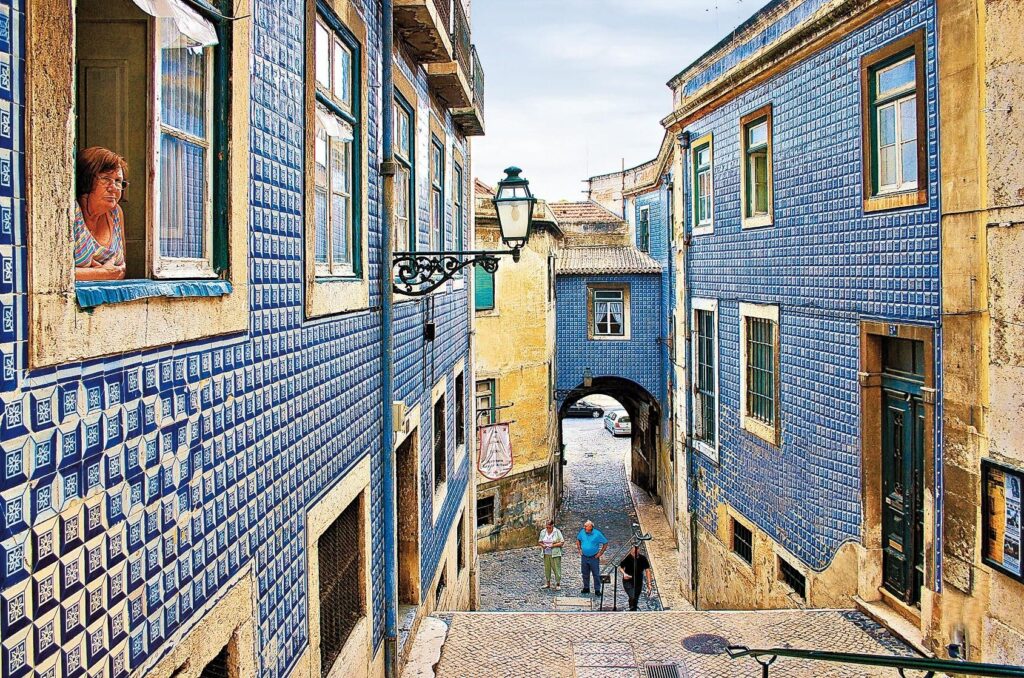
Lisbon Cathedral, the Santa Luzia viewpoint and the streets leading towards São Jorge Castle are useful places to include on an Alfama walk.
Practical tip: Alfama is steep, and some streets have uneven stone paving and stairs. Comfortable shoes are essential. If hills or mobility are a concern, plan the route carefully and use suitable public transport to reduce uphill walking.
2. Visit São Jorge Castle for History and City Views
Standing above Lisbon’s historic centre, Castelo de São Jorge is one of the city’s most recognisable landmarks.
The castle is more than a place to photograph the skyline. Its defensive walls, towers and archaeological heritage help explain Lisbon’s medieval history and the importance of its elevated position.
Walking around the grounds also provides broad views over the red roofs of Alfama, the Tagus River and the surrounding neighbourhoods. The combination of historic structures and open scenery makes it an appealing attraction for visitors who enjoy both architecture and photography.

Allow enough time to explore beyond the entrance and main viewpoint. Some castle experiences, including guided activities and access to certain areas, may depend on availability or weather conditions.
Is São Jorge Castle worth paying for? If you’re interested in medieval history and exploring castle walls, it offers something different from Lisbon’s public viewpoints. But if panoramic photographs are your main priority, you may be equally happy visiting one or two free miradouros nearby.
Planning tip: Buy tickets through the official São Jorge Castle website and check the seasonal opening schedule before visiting.
3. Discover Lisbon’s Most Beautiful Viewpoints
Lisbon’s famous miradouros, or viewpoints, are among its most rewarding attractions. Many are free to visit, and each provides a different perspective on the city’s hills, historic neighbourhoods and river.
You don’t need to visit every viewpoint. Choosing a few that fit naturally into your walking route is a better way to appreciate them without spending the entire day climbing from one hill to another.
Miradouro de Santa Luzia is particularly memorable for its decorative azulejo tiles, garden terrace and views across Alfama. The viewpoint itself is almost as interesting as the scenery.
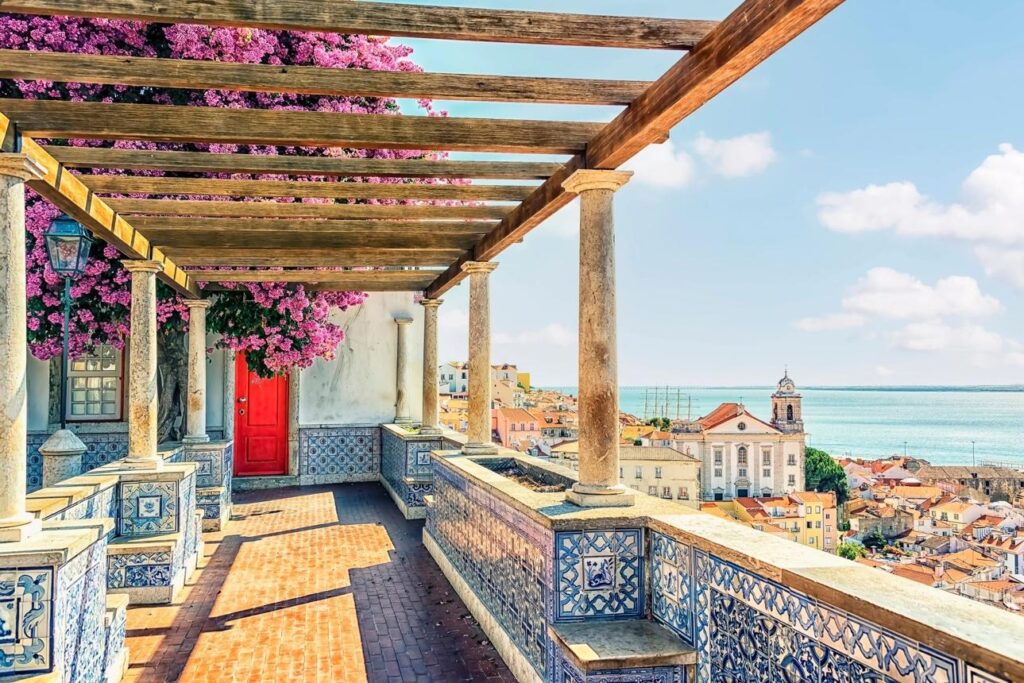
Miradouro das Portas do Sol, a short walk away, offers another expansive view over Alfama and the Tagus. Its open setting makes it an easy stop while exploring the historic neighbourhood.
Miradouro da Graça offers a different perspective from the hill near São Jorge Castle. It is a worthwhile option if you want a broader panorama and don’t mind the uphill journey.
If you’re exploring Chiado or the western side of the historic centre, Miradouro de São Pedro de Alcântara looks across towards the castle and Baixa.
Which viewpoint should you choose? For beautiful tiles and a memorable setting, choose Santa Luzia. For an open view across Alfama, choose Portas do Sol. For a panorama from another hill, consider Graça or São Pedro de Alcântara.
A good sightseeing route might include Santa Luzia and Portas do Sol together, then another viewpoint elsewhere in the city if time permits.
4. Walk Through Praça do Comércio and Rua Augusta
Lisbon’s lower historic centre, known as Baixa, feels very different from Alfama. Here you’ll find broad streets, elegant façades and an orderly layout shaped by the rebuilding that followed the devastating earthquake of 1755.
Start at Praça do Comércio, the huge waterfront square on the northern bank of the Tagus River. Once associated with Portugal’s royal palace, it is now one of Lisbon’s best-known public spaces.
The square opens towards the river, making it a pleasant place to stop and appreciate the scale of the city.
From here, walk through the monumental Arco da Rua Augusta and continue along Rua Augusta, a lively pedestrian street lined with shops and cafés.

Continue towards Rossio Square if you want to explore more of central Lisbon on foot.
This is one of the easiest sections of the city to combine into a relaxed sightseeing walk. It also helps you understand how the flatter downtown area connects with the steep streets leading towards Chiado and Alfama.
Practical tip: Baixa is generally easier to walk around than Alfama, although historic stone pavements may still be slippery when wet.
5. See Lisbon Cathedral
Lisbon Cathedral, also known as Sé de Lisboa, is one of the city’s most important historic buildings.
Dating back to the 12th century, the cathedral has witnessed centuries of change, including damage and rebuilding after earthquakes. Its architecture reflects different periods in Lisbon’s history.
The exterior is especially distinctive, with a fortified appearance and two towers framing the entrance. Inside, visitors interested in historic architecture can explore the cathedral’s religious and artistic heritage.
Its position on the route between Baixa and Alfama also makes it convenient to include in a sightseeing walk.
You may recognise the scene of Lisbon’s famous yellow trams passing nearby. Even if you don’t enter the cathedral, its façade and surrounding streets are worth seeing.
Planning tip: Check the official Lisbon Cathedral website for current visitor access, opening arrangements and admission information. Tourist visits can differ from religious services, particularly on Sundays and religious holidays.
6. Explore Jerónimos Monastery in Belém
A visit to Jerónimos Monastery is one of the best things to do in Lisbon for anyone interested in history and architecture.
Located in Belém, west of the historic centre, the monastery is a UNESCO World Heritage Site and one of the most celebrated examples of Portuguese Manueline architecture.
Its richly decorated stonework reflects the artistic style associated with Portugal’s maritime expansion. Look closely at the exterior details before entering, as the intricate carvings are a major part of the experience.
The monastery’s cloister is particularly impressive, with ornate arches, sculpted columns and a peaceful central courtyard.
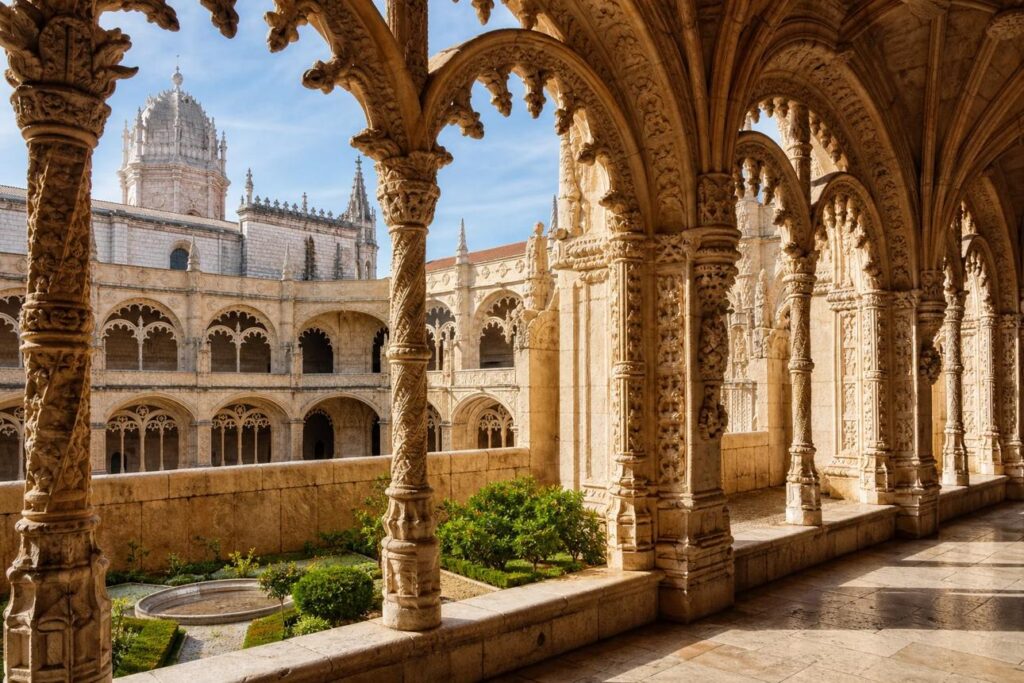
A visit here is as much about appreciating the building as it is about learning history through traditional museum displays.
However, Jerónimos Monastery requires more planning than many of Lisbon’s outdoor attractions. Tickets can sell out, and visitors may still face queues even when they have purchased admission in advance.
The cloister and adjoining church also have different visiting arrangements.
Practical tip: Check the official Jerónimos Monastery visitor information before booking. At the time of writing, the cloister is closed on Mondays, and the official website recommends advance ticket purchases where possible.
Combine Jerónimos with other Belém attractions rather than making a separate journey across Lisbon for each landmark.
7. Visit Belém Tower and the Waterfront Monuments
Belém Tower, or Torre de Belém, is one of Lisbon’s most photographed monuments.
Standing beside the Tagus River, this 16th-century fortification recalls the period when Portugal was a major maritime power. Along with Jerónimos Monastery, Belém Tower is part of a UNESCO World Heritage listing.
The tower’s decorative stonework and waterside setting make it worth visiting even if you decide not to explore the interior.

Nearby, the Monument to the Discoveries, or Padrão dos Descobrimentos, commemorates figures associated with Portuguese maritime exploration. It provides another opportunity to understand the country’s seafaring history, although that history also includes colonial expansion and its lasting consequences.
The waterfront is pleasant for a walk, and the relatively open terrain offers a welcome change from Lisbon’s steep central neighbourhoods.
While you’re in Belém, stop for a pastel de nata, the Portuguese custard tart with flaky pastry and a creamy filling. The famous Pastéis de Belém bakery is located near Jerónimos Monastery, but good pastries are available throughout Lisbon, so don’t feel obliged to spend a large part of your day standing in a bakery queue.
How much time should you allow for Belém? Plan at least half a day if you want to explore the waterfront, photograph the monuments and visit Jerónimos Monastery. Allow longer if you’re entering multiple attractions or adding a museum.
Check official Belém Tower information for current admission and accessibility arrangements. Interior access involves restrictions, and ticket availability may change.
8. Discover Carmo Convent and the Chiado District
The roofless ruins of Carmo Convent provide one of Lisbon’s most striking reminders of the 1755 earthquake.
Originally a Gothic religious building, the convent was severely damaged during the disaster. Rather than being completely restored, much of its surviving structure remains open to the sky.
The tall arches and exposed stonework create a distinctive architectural experience. The site also houses the Carmo Archaeological Museum, making it particularly appealing to visitors interested in history.
Carmo Convent sits near Chiado, one of central Lisbon’s most attractive districts for walking, architecture, bookshops and ceramic stores.
Spend some time exploring the surrounding streets and noticing the contrast between older buildings and the modern city.
The nearby Santa Justa Lift is another well-known architectural landmark. However, do not assume that it is operating for passenger rides. Historic lift services in Lisbon have faced safety-related suspensions, and travellers should verify their status before making plans.
Practical tip: If your main interest is the architecture of Carmo Convent, you can appreciate the historic area without depending on the Santa Justa Lift.
9. Experience Lisbon’s Famous Yellow Tram 28
Lisbon’s yellow trams are an iconic part of the city’s identity, and Tram 28 is particularly well known for its journey through historic neighbourhoods.
Its route passes streets and areas associated with Graça, Alfama, the cathedral and Chiado, making it attractive to both visitors and residents.
Seeing one of the old trams negotiate a narrow street is a memorable Lisbon experience. Riding one can also be enjoyable, especially if you’re interested in historic public transport.

However, Tram 28 isn’t always the fastest way to get around. It can attract long queues and become crowded, particularly around popular central stops.
If you are visiting primarily for photographs, watching a tram pass through the streets around Alfama or the cathedral may be more rewarding than waiting a long time to ride.
If you do want to board, check the current route and service information rather than relying on an old travel itinerary. Construction and operational changes can affect the route.
Practical tip: Use CARRIS’s official Tram 28 route page to check stops and associated service changes. Keep your belongings secure, especially in crowded vehicles.
10. Explore LX Factory’s Creative Spaces
For something different from castles, cathedrals and historic squares, consider visiting LX Factory.
Located in Alcântara, this former industrial complex has become a creative destination with independent shops, design-focused businesses, street art and interesting architecture.
It’s a good place for visitors who enjoy photography, browsing handmade products or discovering contemporary creative spaces.
The setting itself is part of the attraction. Old industrial structures give the area a different character from Lisbon’s tiled residential streets and ornate historic monuments.
Rather than treating LX Factory as an essential first stop, consider adding it if you have a longer stay or particular interest in design and urban culture.
It can also pair with other attractions in the western part of Lisbon, depending on your route.
Is LX Factory worth visiting? Yes, if you enjoy independent shops, art and converted industrial spaces. If you have only one day in Lisbon, the major historic sights should usually take priority.
11. Visit MAAT or Enjoy Its Riverside Architecture
The Museum of Art, Architecture and Technology, commonly called MAAT, is one of Lisbon’s most distinctive modern cultural attractions.
Its contemporary riverside building is a striking contrast to the historic architecture of Belém.
Visitors interested in contemporary art, architecture and changing exhibitions may want to enter the museum. Others may enjoy seeing the exterior and walking along the surrounding waterfront.
This makes MAAT a flexible addition to a longer day around Belém and Alcântara.
It is especially worth considering if you want to balance Lisbon’s historic monuments with more modern architecture.
However, museum exhibitions and access conditions change, so decide whether an interior visit interests you before booking.
Practical tip: Check the official MAAT visitor page for exhibitions, current opening hours and admission details. The museum normally closes on Tuesdays.
12. Discover Lisbon’s Traditional Azulejo Tiles and Ceramics
One of the details that makes Lisbon visually distinctive is its traditional decorative tilework, known as azulejos.
You’ll notice tiles covering building façades, decorating interiors and appearing as detailed artworks in historic public spaces.
Some designs use the familiar blue-and-white palette, while others feature colourful geometric patterns and narrative scenes.
You don’t need a separate museum visit to appreciate this part of Portuguese culture.
Look closely at building façades as you walk through Alfama, Chiado and Baixa. Santa Luzia viewpoint is another particularly good place to see decorative tile panels.
If you enjoy art and design, Lisbon’s ceramic shops also provide an opportunity to explore contemporary interpretations of this traditional craft.
The National Tile Museum would ordinarily be a natural choice for visitors wanting a deeper introduction. However, the main museum is currently closed for renovation.
Its official website lists alternative programming, including the Open Azulejo exhibition at Palácio da Calheta. Check availability before adding an exhibition to your itinerary.
Practical tip: For a short visit, combining tile photography with a walk around Alfama or Santa Luzia is an easy way to appreciate Lisbon’s azulejos without spending extra time crossing the city.
Is a Day Trip to Sintra Worth It?
If you have several days in Lisbon, Sintra is one of the most appealing excursions beyond the capital.
This historic town is known for wooded hills, extraordinary palaces and romantic-era architecture. Its best-known attraction is the colourful Pena Palace, but visitors may also be interested in the Moorish Castle and Quinta da Regaleira.

Sintra feels very different from central Lisbon, with more greenery, hilltop settings and expansive palace grounds.
It is worth considering if you enjoy history, gardens and unusual architecture. However, it deserves its own day rather than being squeezed into an already full sightseeing schedule in Lisbon.
One important point is that Sintra’s attractions are not all located together at the railway station. You need to plan onward transport, walking distances and the order of your visits.
If you’re booking Pena Palace, pay particular attention to the time on your ticket.
The scheduled admission time applies to the palace interior, not simply to entering the surrounding park. The official operator recommends allowing approximately 30 minutes to travel from the park entrance to the palace entrance, and late arrivals can be refused entry.
Check the official Pena Palace booking guidance before finalising your day.
For a first visit of just one or two days, you may prefer to concentrate on Lisbon itself. With three or four days available, Sintra becomes easier to include without rushing the city’s principal sights.
6 Mistakes to Avoid on Your First Visit to Lisbon
Lisbon is rewarding to explore, but some common planning mistakes can make a short trip unnecessarily tiring or expensive.
These six practical tips can help you use your time more effectively.
1. Underestimating Lisbon’s Hills
A destination may look close on your map, yet reaching it can involve a long uphill climb or several flights of stairs.
This is especially relevant around Alfama, Graça and parts of Chiado.
Wear shoes with good grip, be careful on smooth stone pavements when they’re wet and don’t plan every journey around the assumption that walking will be easy.
If you have reduced mobility, verify accessible routes in advance rather than relying only on the shortest walking directions.
2. Planning Your Whole Day Around Tram 28
Tram 28 is famous, but it’s still a working part of Lisbon’s transport system, not a guaranteed sightseeing tour.
Popular stops can be busy, and services may be affected by route changes.
If queues are long, consider exploring some of the tram’s historic streets on foot or using another suitable transport connection.
The city has plenty to offer even if you never board Tram 28.
3. Assuming Advance Tickets Mean You Can Skip Every Queue
Booking ahead can save time and protect you from sold-out admission slots, but it doesn’t always eliminate waiting.
Jerónimos Monastery is a particularly useful example because visitors may encounter separate admission arrangements and queues.
Read the booking conditions, arrive with a reasonable time allowance and avoid scheduling your next attraction too tightly.
4. Treating Belém as a Quick Detour from Alfama
Belém’s famous landmarks are not in Lisbon’s compact historic centre.
Trying to visit Jerónimos Monastery, return to Alfama and then travel back towards Belém for another attraction wastes time and creates unnecessary journeys.
Instead, group Jerónimos Monastery, Belém Tower, the waterfront and any nearby museum visit into one dedicated part of your trip.
5. Assuming Every Historic Lift and Funicular Is Operating
Lisbon’s historic lifts and funiculars are popular sights, but their operating conditions can change.
Some services have experienced lengthy suspensions for inspections and testing, so an old itinerary promising a ride may no longer be accurate.
Check CARRIS’s official service updates before travelling. Have an alternative route ready if a lift or funicular is unavailable.
This matters especially if you are relying on the service to avoid a steep walk.
6. Booking Sintra Without Allowing Enough Travel Time
Pena Palace is one of the most popular sights near Lisbon, but its timed-entry arrangements require careful planning.
Allow time for the journey from Lisbon to Sintra, onward transport from the town, and the climb or transfer between the park entrance and palace entrance.
Don’t assume that arriving in Sintra at the time printed on your palace ticket is enough.
Planning the journey in advance is much less stressful than trying to recover from a missed admission slot.
Planning Your Lisbon Visit
How Many Days Do You Need in Lisbon?
Two to three days is a useful starting point for a first visit to Lisbon.
With one full day, concentrate on the historic centre. A walk through Baixa and Alfama, a viewpoint and one major attraction can provide a good introduction without excessive travel.
With two days, spend one day discovering the central neighbourhoods and another exploring Belém, its monuments and the waterfront.
With three days, you can slow the pace, add Chiado, LX Factory or MAAT, and spend longer enjoying the city’s streets and viewpoints.
If you want to include Sintra, consider allowing an additional full day, particularly if palace visits are a priority.
A longer visit is worthwhile if you enjoy museums and exploring neighbourhoods without a fixed schedule.
How to Get Around Lisbon Without a Car
Lisbon’s historic centre is best explored through a combination of walking and public transport.
Walking is often the most enjoyable way to discover Alfama, Baixa and Chiado, but it’s important to account for the hills.
The Lisbon Metro is useful for longer journeys, including travelling between the airport and connected parts of the city.
CARRIS operates the city’s buses and trams, including the historic Tram 28. Transport connections can help reduce long or steep walks, although routes and service conditions should be checked before travelling.
For ticketing, the navegante occasional card can be loaded with eligible transport tickets or stored travel credit. Lisbon Metro also offers day-ticket options, which may be worthwhile if you expect to make several journeys within the covered networks.
Compare the ticket’s validity with your actual travel plans before purchasing. Not every ticket covers every rail, ferry or regional service.
For up-to-date fares, visit the Lisbon Metro official ticketing page and the CARRIS website.
A rental car is generally unnecessary for a sightseeing-focused visit to Lisbon’s central neighbourhoods.
What Should First-Time Visitors Prioritise?
If your time is limited, don’t try to visit every landmark in the city.
Start with the areas that best represent Lisbon’s history, architecture and scenery.
| If you enjoy… | Prioritise… |
|---|---|
| Historic streets and neighbourhoods | Alfama and Baixa |
| Medieval history | São Jorge Castle |
| Panoramic city views | Santa Luzia, Portas do Sol or Graça |
| Monumental architecture | Jerónimos Monastery |
| Waterfront landmarks | Belém Tower and Praça do Comércio |
| Art and creative spaces | Chiado, LX Factory or MAAT |
| Palaces and gardens beyond Lisbon | Sintra |
For most first-time visitors, a combination of Alfama, one or two viewpoints, Baixa and Belém provides a particularly varied introduction to the city.
Final Tips for Exploring Lisbon
Lisbon offers much more than a checklist of famous attractions. Its historic streets, tiled buildings, viewpoints and riverside setting are part of what makes the city memorable.
The best approach is to explore one area at a time, leave room for unplanned discoveries and avoid filling every hour with advance bookings.
Spend time in Alfama, experience the architecture of Belém, choose the viewpoints that appeal to you and use public transport when the hills become tiring.
With a realistic plan, you can enjoy many of the best things to do in Lisbon without rushing from one end of the city to the other.
Before you travel, check official attraction websites for current opening hours, admission rules and transport disruptions, especially if your plans depend on timed tickets or historic lifts.